If you’re asking “What is Chair Pilates?” you’re likely looking for a gentle, effective way to build strength, ease pain or improve balance without getting on the floor. Chair Pilates adapts classic Pilates principles to a chair so people with mobility limits, back pain or busy schedules can still get the full benefits of Pilates. It’s ideal for everyday life—helping you stand taller, move easier and feel more confident.
You may also find Pilates Broadstone: A Practical Guide to Classes, Benefits and What to Expect useful for related guidance.
How Chair Pilates works and who it’s for
Chair Pilates uses a stable chair as a platform for exercises that focus on breath, core activation, alignment and controlled movement. Rather than lying on a mat, you sit, stand or use the chair for support. That makes it especially useful for:
- people returning from injury who need a low-impact option;
- older adults wanting improved balance and mobility;
- anyone with back, hip or knee pain avoiding floor work;
- busy professionals who want short, focused sessions that fit into a day.
Because Chair Pilates scales easily, a session can be gentle rehabilitation or a vigorous strength workout depending on your needs. That flexibility is why many physiotherapists and instructors use it as part of a recovery plan.
Key benefits you’ll notice quickly
Choose Chair Pilates and you should see practical, everyday improvements that make exercise feel worth your time:
- Stronger core and improved posture: exercises train the deeper stabilisers that support your spine, reducing slumping and neck strain.
- Less pain, more function: controlled movements relieve tension around the back, hips and shoulders and translate to easier bending, lifting and walking.
- Better balance and confidence: standing variations challenge stability in a safe way, lowering fall risk.
- Accessible and low-impact: you can progress safely even with joint issues or after surgery.
Typical Chair Pilates session: what to expect
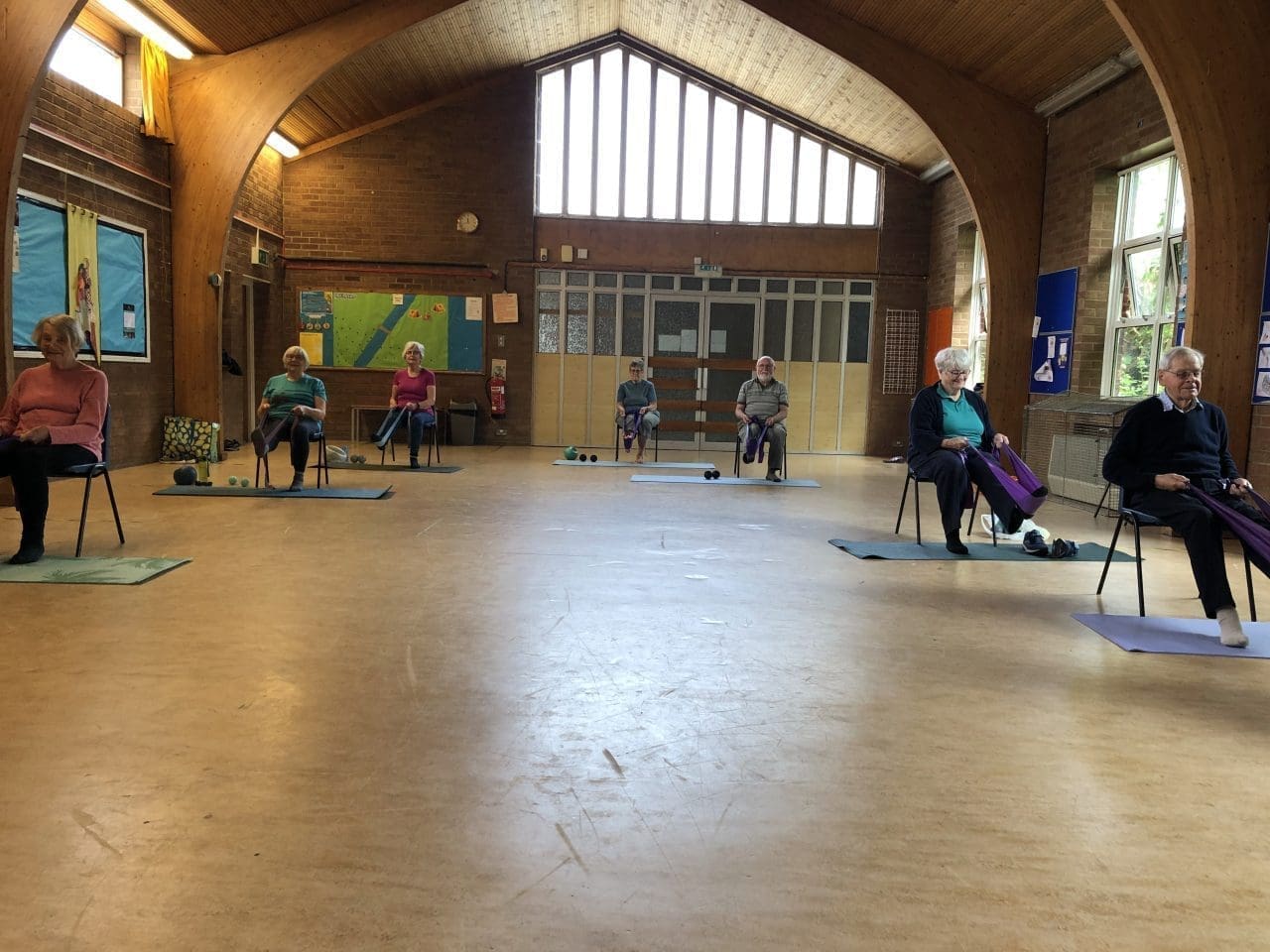
A typical class begins with breathing and gentle mobility while seated, then moves to core activation and standing exercises using the chair for support. Sessions often include:
- breath and pelvic floor cues to connect movement to support;
- seated articulations to loosen the spine and shoulders;
- standing leg and balance work using the chair as a prop;
- progressions and regressions tailored to individual ability.
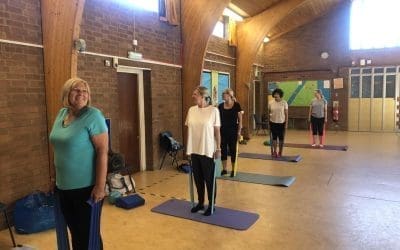
Sessions can be one-to-one for rehabilitation or small group classes for social motivation. If you’re local, check available sessions on the class schedule to find a suitable time.
You may also find FAQs useful for related guidance.
Common objections — answered honestly
“Is Chair Pilates just for older people?” Not at all. It’s for anyone who needs a stable, repeatable way to practise Pilates principles—whether that’s to recover from an injury, manage chronic pain, or squeeze a focused workout into a busy day.
“Will it be too easy?” Instructors adapt resistance, tempo and complexity. A skilled teacher will challenge your balance, use standing work and add coordination tasks so you get meaningful strength and control improvements.
“Is it safe after surgery or with pain?” Always check with your clinician, but Chair Pilates is commonly recommended by physiotherapists because it reduces load on painful joints while retraining movement. A physiotherapist-led class or one-to-one session gives the safest, fastest outcomes.
Why book a Chair Pilates class with Lucy Purrier Physio Pilates?
Choosing where to try Chair Pilates matters. With classes and one-to-one options, Lucy Purrier Physio Pilates blends physiotherapy knowledge with Pilates practice to deliver sessions that are both therapeutic and empowering. Here’s why people choose to book:
- Clinically informed instruction: sessions are led with rehab and long-term function in mind, not just exercise choreography.
- Tailored progression: whether you’re rehabbing or training, programmes are adjusted for your goals and tolerance.
- Practical outcomes: the focus is on movements that improve daily life—standing from a chair, walking without pain, lifting grandchildren.
- Flexible options: try a trial class, book a single session or choose a package that supports steady progress.
If you’re ready to try, explore booking options or meet Lucy to discuss your needs. For class times and to find the best option, the class schedule and booking pages provide the quickest way to secure a slot.
How to get started today
Start with a short trial class to see how Chair Pilates feels for you, or choose a one-to-one if you have a specific injury history. If you’d like, read more about Lucy’s approach on the About Lucy page to understand the clinical background that shapes the sessions.
Chair Pilates brings the benefits of traditional Pilates into an accessible format that fits many lives and bodies. If your priorities are reduced pain, better posture and practical strength without the discomfort of floor work, it’s a smart choice. Book a class or enquiry to take the next step and regain control of how you move each day.
You may also find Pilates Classes Dorset useful for related guidance.
Frequently asked questions
Is Chair Pilates suitable if I have back pain?
Yes—Chair Pilates is often recommended for people with back pain because it reduces spinal loading while retraining core stability and movement patterns. Always consult your clinician if you have a recent injury or surgical history, and consider a physiotherapist-led one-to-one session for the safest progress.
How often should I do Chair Pilates to see results?
Two to three short sessions per week will generally produce noticeable improvements in strength, posture and pain within a few weeks. Consistency matters more than session length; a weekly one-to-one combined with group classes is a practical plan for ongoing progress.
Do I need any special equipment?
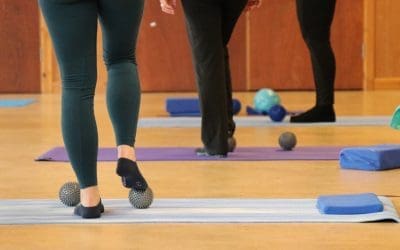
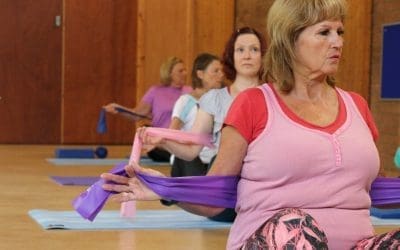
No special equipment is required beyond a stable chair. An instructor may add small props like resistance bands or light hand weights for progression, but the chair-based exercises alone are effective for most goals.
Can I progress from Chair Pilates to mat or reformer Pilates?
Yes. Chair Pilates builds core control, balance and joint awareness that transfers well to mat and reformer work. Progression depends on your ability and goals—an instructor can guide a safe transition when you’re ready.