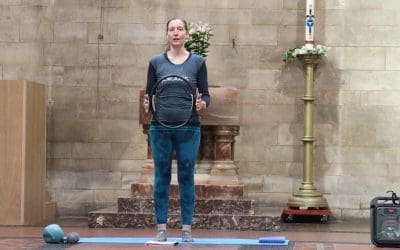
Pilates Poole remains a popular choice for people seeking low-impact exercise that improves core strength, posture and mobility. Whether you are new to exercise or recovering from injury, understanding the different types of Pilates classes available in Poole will help you find the right session for your needs.
You may also find Pilates Broadstone: A Practical Guide to Classes, Benefits and What to Expect useful for related guidance.
Pilates classes in Poole: types and who they suit
There are several formats you’ll find when searching for Pilates Poole. Each has its own focus and pace:
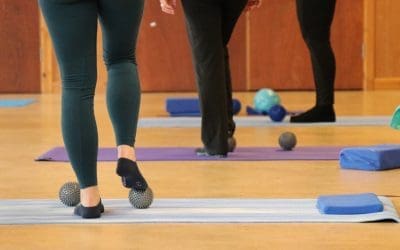
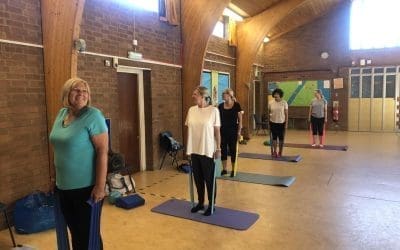
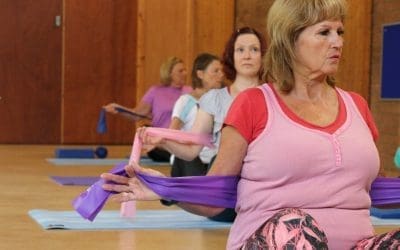
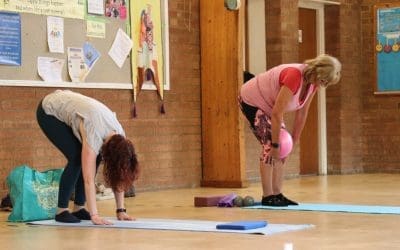
- Mat Pilates: Performed on a mat using bodyweight and small props. Good for beginners and groups.
- Reformer Pilates: Uses specialised equipment to add resistance and control. Ideal for progressive strength work.
- Small-group studio classes: Offer more personalised attention than large classes while still being sociable and affordable.
- 1:1 or physiotherapist-led sessions: Tailored for rehabilitation, pain management and addressing specific movement issues.
If you’re unsure which is right, a physiotherapist-led assessment can clarify your needs and recommend an appropriate class. For details on structured programmes and physio-led options, see the post on Top Pilates Studio for Physio-Led Classes in Poole.
What to expect at your first Pilates session
Arriving prepared makes your first class more enjoyable. Expect a brief consultation or movement screen, especially in smaller or physio-led classes. The instructor will ask about injuries, goals and any pain you experience.
- Wear comfortable, form-fitting clothing so the instructor can observe alignment.
- Bring water and, if you prefer, a light towel. Most studios provide mats and equipment.
- Arrive early to complete any paperwork and settle in — this also gives you time to ask questions about the class structure.
For class times and to plan your visit, check the Class schedule.
Common beginner exercises
Beginners typically learn breath control, pelvic placement and basic core engagement. Expect exercises such as pelvic tilts, the hundred (modified), leg circles and scapular stabilisation drills. These build a reliable foundation for more advanced work.
Health benefits of Pilates for everyday life
Pilates offers practical benefits beyond fitness class goals. Regular practice can:
- Improve posture and reduce strain from sitting or standing for long periods.
- Strengthen deep stabilising muscles of the spine and pelvis, helping to prevent and manage back pain.
- Increase flexibility and range of motion, which supports daily tasks and reduces injury risk.
- Enhance body awareness and movement efficiency, useful for sports and general mobility.
If back pain or a specific condition is your main concern, consider combining Pilates with physiotherapy input. The approach used at Lucy Purrier Physio Pilates blends clinical assessment with tailored exercise — read more About Lucy to understand the clinical background behind sessions.
You may also find Pilates Classes Poole: How to Choose the Right Class for Your Needs useful for related guidance.
How to choose the right Pilates class in Poole
Choosing the right class comes down to three main factors: your goals, the instructor’s qualifications and the class size.
- Define your goal: Are you aiming to improve general fitness, recover from injury, or address a specific issue like pelvic floor weakness? Goal clarity narrows suitable class types.
- Check instructor credentials: Look for instructors with recognised Pilates training and, for rehabilitative work, physiotherapy or equivalent healthcare qualifications.
- Consider class size and equipment: Smaller classes or individual sessions give more corrective feedback. If you prefer equipment-based work, confirm the studio offers reformers or other apparatus.
Read local resources and comparisons, such as the recent guide to Pilates Classes Poole, to see how different local offerings match your needs. Trial classes are a sensible way to test an instructor’s style without a long-term commitment — see booking options on the Book page.
Cost and commitment
Prices vary across Poole depending on format and instructor level. Drop-in mat classes are usually the most affordable, while small-group and 1:1 sessions cost more but deliver faster progress. Many studios offer packages or introductory offers; if you plan regular attendance, look for a package that reduces per-session cost.
Making Pilates part of your routine in Poole
Consistency drives results. Aim for at least two sessions a week to see meaningful changes in strength and posture. You can supplement studio classes with short home sessions focused on mobility and breath work.
- Set realistic goals and track improvements such as reduced pain, increased ease of movement or improved posture in daily tasks.
- Communicate with your instructor about progress and any new aches — good teachers adapt programmes to your changing needs.
- Mix class types over time: combine mat work for accessibility with periodic reformer or 1:1 sessions for targeted progression.
For ongoing guidance and articles about local classes and approaches, visit the Blog.
Conclusion: Pilates Poole is accessible to many people, from beginners looking for gentle, structured exercise to those needing rehabilitation-focused, physio-led work. Understanding class types, checking instructor credentials and committing to regular practice will help you get the most benefit. If you’re ready to try a class, view current times on the schedule and consider a trial session to find the best fit.
You may also find Physiotherapist-Led Pilates: Strengthening Your Back and Improving Mobility useful for related guidance.
Frequently asked questions
Is Pilates suitable for beginners in Poole?
Yes. Most studios in Poole offer beginner-friendly mat classes and introductory sessions. If you have specific health concerns, a physiotherapist-led assessment or one-to-one session can provide a tailored starting point.
How often should I do Pilates to see results?
Aim for two to three sessions per week to notice improvements in core strength, posture and mobility. Even one well-structured session per week, combined with home practice, will deliver gradual benefits.
What should I wear to a Pilates class?
Wear comfortable, close-fitting clothing that allows the instructor to see alignment. Avoid baggy tops and bring water. Studios generally provide mats and any larger equipment.
Can Pilates help with back pain or injury recovery?
Yes. Pilates that is guided by a qualified instructor or physiotherapist can strengthen stabilising muscles and improve movement patterns, reducing pain. For serious or ongoing issues, choose a physio-led programme for assessment and personalised progression.