Pilates for Osteoporosis: Why a Physiotherapist’s Approach Matters
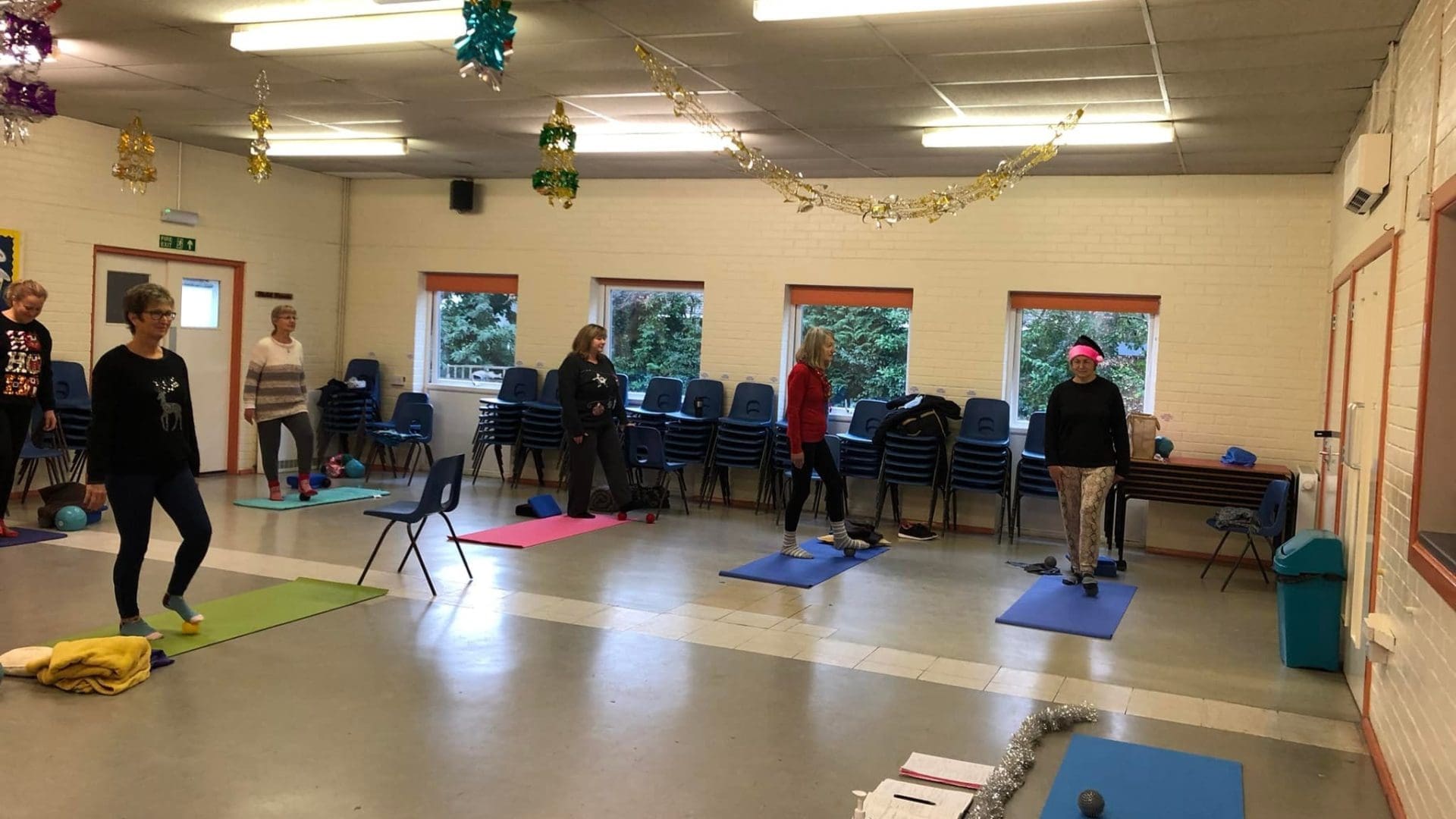
If you have osteoporosis or low bone density you’re likely cautious about exercise — and rightly so. Pilates for Osteoporosis: A Physiotherapist’s Guide to Exercising Safely explains how tailored Pilates can build the strength, posture and balance that support bone health without adding undue risk. Read on for clear safety checks, practical exercises you can trust, and why supervised sessions are the fastest way to feel confident and make progress.
You may also find Pilates for Beginners: A Clear, Practical Guide to Getting Started useful for related guidance.
Understand the problem: what osteoporosis changes in your body
Osteoporosis reduces bone mass and changes bone structure, increasing fracture risk from falls or sudden loads. But the condition doesn’t mean you must stop moving. In fact, tailored exercise is one of the most effective non-drug ways to lower future fracture risk. The key is choosing movements that strengthen muscles, improve posture and balance, and avoid high-risk actions — especially spinal flexion under load, uncontrolled twisting and high-impact jumps.
How physiotherapist-led Pilates reduces risk and builds resilience
Physiotherapists combine clinical assessment with exercise prescription. In Pilates for Osteoporosis, this means:
- Personal assessment: baseline mobility, pain, fracture history and balance are checked before any class.
- Technique-first teaching: movements are broken down to protect the spine and joints while targeting the right muscles.
- Progressions that respect bone health: low-impact loading, standing balance challenges and functional strength exercises gradually increase difficulty.
- Fall-prevention focus: posture, gait and reactive balance drills are included to reduce real-world fracture risk.
That blend of safety and progression is why supervised physiotherapist-led Pilates often delivers faster, longer-lasting benefits than unsupervised workouts or generic classes.
Safe Pilates exercises to start with (and how to do them correctly)
Below are physiotherapist-approved exercises commonly used with people who have osteoporosis. These focus on upright posture, hip and leg strength, and balance rather than deep forward bends or heavy twisting.
- Supported squats: stand with feet hip-width apart, sit back into the hips as if lowering to a chair. Use a chair or barre for support. Aim for slow control and a vertical spine.
- Standing heel raises: strengthen calves and ankle proprioception. Rise onto your toes slowly, with support nearby. Repeat 10–15 controlled reps.
- Wall-supported single-leg balance: stand beside a wall, lift one foot slightly off the ground and hold for 10–30 seconds. Progress by removing hand support.
- Modified bridge: lie on your back with knees bent, lift hips into a gentle bridge focusing on glute activation—avoid driving through the lower back.
- Thoracic extension over a foam roller (gentle): to counter forward stoop, lie with a roller under the mid-back and perform small, controlled extensions. Stop with any pain.
Always prioritise technique over quantity. If any movement causes sharp or new pain, stop and seek professional advice.
You may also find Pilates Poole: A Practical Guide to Classes, Benefits and Getting Started useful for related guidance.
Common objections — answered honestly
People often worry that exercise will cause a fracture, that Pilates is ‘not enough’, or that classes aren’t tailored. Here’s how a physiotherapist-led approach answers those concerns:
- “Isn’t exercise dangerous?” When prescribed and taught correctly, exercise is safe and protective. A physiotherapist screens your risks and modifies movements to avoid dangerous loading patterns.
- “Will Pilates strengthen my bones?” Weight-bearing and resistance exercises stimulate bone maintenance. Pilates emphasises controlled, functional loading and can be combined with targeted strength work to support bone density.
- “I’m frail — can I cope?” Yes. Sessions start very gently, with options such as chair-based Pilates or one-to-one tuition until you’re ready for small group classes.
- “Why not just follow a video?” Videos can teach movement but can’t assess your posture, previous fractures or balance deficits. Supervised sessions correct form and adapt exercises to keep you safe while progressing.
How to choose the right class or therapist
Look for a physiotherapist with Pilates training and experience treating osteoporosis. Ask whether they:
- Carry out an initial clinical assessment.
- Offer small group or one-to-one options so adjustments are possible.
- Use progressions that include functional strength and balance work.
- Can liaise with your GP or bone health team if needed.
If you’re local and want to meet an experienced clinician, find out more about my approach on the About Lucy page or check available sessions on the Class schedule. For those ready to commit, booking a tailored package or trial class lets you test the format and see measurable improvement — see the Book Trail Class and Book Package pages for options.
Next steps: start safely and make progress
If osteoporosis has made you cautious, the right Pilates plan will restore confidence, reduce pain and improve balance — without unnecessary risk. Start with a clinical assessment, choose supervised sessions that offer tailored progressions, and combine Pilates with weight-bearing strength work as advised by your physiotherapist.
Ready to move with confidence? Book a trial class or a one-to-one assessment to get a personalised exercise plan that protects your bones while helping you become stronger and steadier.
Conclusion
Pilates for Osteoporosis: a physiotherapist-led approach gives you safe, practical tools to protect bone health, reduce fall risk and regain confidence in daily movement. With the right assessment, technique-focused teaching and gradual progression, Pilates becomes a powerful, low-risk way to support long-term resilience. If you’d like a guided start, consider booking a trial class or a package to ensure your programme is tailored and monitored.
You may also find Pilates Classes Dorset: A Practical Guide to Finding the Right Class useful for related guidance.
Frequently asked questions
Can people with osteoporosis do Pilates safely?
Yes. Pilates can be safe and beneficial when taught or prescribed by a physiotherapist who understands osteoporosis. The key is a clinical assessment, technique-focused instruction and exercise modifications to avoid risky spinal flexion or high-impact moves.
What should I avoid when exercising with osteoporosis?
Avoid uncontrolled forward bending under load, heavy twisting of the spine, sudden high-impact jumps and exercises that cause sharp pain. A clinician will help identify specific movements to modify or omit based on your history.
How soon will I notice benefits from Pilates?
You may notice improved balance and posture within a few weeks, while measurable strength and functional changes often appear over two to three months with consistent practice. Bone density changes take longer and should be part of a broader plan agreed with your healthcare team.
Do I need one-to-one sessions or are small group classes OK?
Both can work. One-to-one sessions are ideal to establish safe technique and an individual plan. Small supervised groups are cost-effective once technique is established, provided the group size allows for individual adjustments.