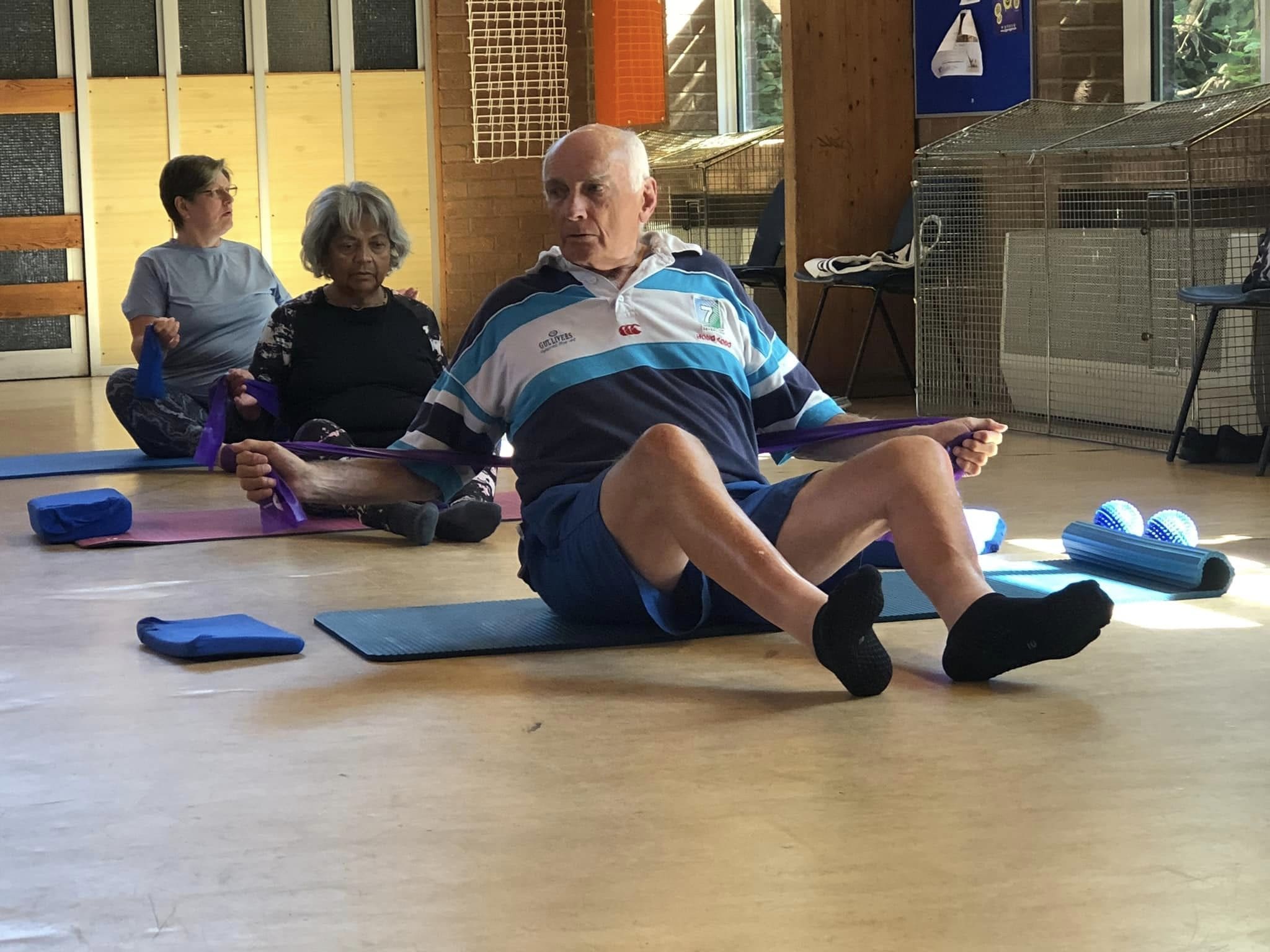
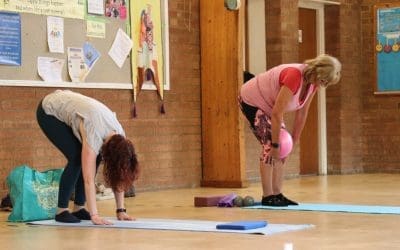
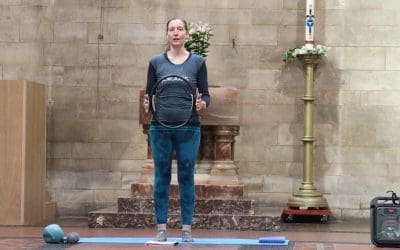
If you’ve been searching for Pilates Dorset options because of niggling back pain, poor posture or a desire to get stronger without high-impact exercise, you’re in the right place. Pilates is ideal for repairing movement patterns, building reliable core strength and restoring confidence — especially when taught by a qualified instructor or physiotherapist who understands injury, recovery and long-term results.
You may also find Pilates Broadstone: A Practical Guide to Classes, Benefits and What to Expect useful for related guidance.
Pilates Dorset: who benefits and why it works
Pilates suits a wide range of people: those recovering from injury, office workers with tight hips, runners needing better pelvic control, and anyone who wants safer strength training as they age. The method focuses on breathing, alignment and controlled movement. That combination reduces pain triggers, improves posture and makes everyday tasks easier — standing, bending and lifting with less strain.
Common problems Pilates in Dorset solves
- Persistent lower‑back pain and recurring stiffness
- Weak or imbalanced core and pelvic stability
- Poor posture from desk work or tech neck
- Reduced mobility after injury or time away from exercise
What to expect from classes and private sessions
In Dorset you’ll find both group classes and 1:1 sessions. Group classes are cost-effective, social and excellent for general conditioning. Private or small physiotherapist-led sessions are the faster route if you have a specific injury, postural issue or complex history — they’re tailored, diagnostic and adapt the exercises so you make steady, safe progress.
Class structure and progression
- Assessment and simple screening (mostly for private or first sessions)
- Foundational work: breathing, pelvic and ribcage control
- Strength and stability exercises scaled to ability
- Mobility and functional movement integration
Why choose a physio-aware Pilates teacher in Dorset
Not all Pilates tuition is the same. A teacher with physiotherapy knowledge or close links to physio services can spot compensations that cause pain and adapt sessions to avoid flare-ups. That means faster, more reliable outcomes and fewer setbacks — valuable if you’ve tried classes before and didn’t see results.
Buyer reasons: practical benefits
- Personalised care reduces the risk of aggravating past injuries.
- Clear, measurable goals — pain reduction, better posture, improved sport performance.
- Flexible options: single sessions, course packages or regular classes to suit work and family life.
- Small class sizes and experienced instructors mean better attention and quicker progress.
You may also find Pilates Classes Poole: How to Choose the Right Class for Your Needs useful for related guidance.
Answers to likely objections
Worried Pilates won’t be intense enough? Modern Pilates builds strength through controlled resistance and functional movement; you’ll be surprised how challenging it can be. Think it’s only for the fit or young? Pilates is adaptable — instructors scale exercises for all ages and fitness levels. Concerned about cost? Consider the long-term savings of fewer physiotherapy visits and less time off work when pain is managed effectively.
When to choose a private session
- If you have recent or recurring injury, a private session lets the instructor tailor rehabilitation safely.
- If you want rapid technique correction and a bespoke home plan.
- If you prefer 1:1 feedback to build confidence before joining a class.
How to pick the right Pilates option in Dorset
Start by deciding whether you want group energy or one-to-one attention. Look for teachers who explain why each exercise helps your specific issue, not just what to do. Ask about class size, qualification level and whether they offer introductory sessions or packages — a short trial is a low-risk way to test the approach.
For a straightforward next step, check the class schedule to see what fits your calendar, or visit the Book page to reserve a private session or trial class. If you want to learn more about physio-led options, the article on Physiotherapist-Led Pilates explains how clinical knowledge combines with Pilates for better back outcomes.
Practical tips for your first classes
- Wear flexible, close-fitting clothing so the teacher can check alignment.
- Arrive a few minutes early to mention any injuries and fill out a brief health form.
- Book a short block or package if you want steady progress — continuity matters.
Choosing Pilates in Dorset is about matching the right teacher to your needs. When you pick a studio that offers small classes, experienced instruction and a clear pathway from assessment to results, you maximise your chance of long-term improvement.
Ready to try Pilates with a physio-aware teacher? View the Book Package options for best value or head straight to Book to reserve a session. Small changes in your movement today can stop problems becoming limitations tomorrow.
You may also find Pilates Classes Dorset: A Practical Guide to Finding the Right Class useful for related guidance.
Frequently asked questions
Is Pilates suitable for someone with lower back pain?
Yes. Pilates is commonly used to manage and reduce lower back pain because it focuses on core stability, pelvic alignment and controlled movement. For best results choose an instructor with physiotherapy knowledge or book a private session so exercises are tailored to your specific condition.
How often should I attend Pilates classes to see benefits?
For noticeable improvements in strength and mobility, attend classes two to three times a week, or combine one class with home practice. If you’re recovering from injury, a short course of regular private sessions can accelerate progress before moving into group classes.
What should I bring to my first Pilates class in Dorset?
Wear comfortable, close-fitting clothing that allows movement and lets the instructor check alignment. Bring a water bottle and any information about recent injuries or surgeries. Most studios provide mats and small equipment; check the class details if you prefer to bring your own.
Can Pilates help with posture from desk work?
Absolutely. Pilates retrains the muscles that support the spine and improves awareness of posture and movement patterns. Regular practice reduces the tension and stiffness caused by prolonged sitting, making everyday posture easier to maintain.