Introduction: Why choose Pilates classes Dorset residents trust
If youre exploring Pilates classes Dorset has a growing reputation for quality instruction, especially for people wanting improved strength, mobility and pain relief. Whether youre new to Pilates or returning after injury, understanding the different class formats and what to expect helps you pick a session that meets your goals.
You may also find Physiotherapist-Led Pilates: Strengthening Your Back and Improving Mobility useful for related guidance.
What are the main benefits of Pilates?
Pilates is often recommended for rehabilitation, posture and core strength. Key benefits include:
- Improved core stability: Pilates targets deep abdominal and back muscles that support everyday movement.
- Better posture and alignment: Regular practice can reduce strain on joints and ease chronic aches.
- Increased flexibility and balance: Gentle stretching and controlled movement improve range of motion.
- Reduced risk of injury: Pilates teaches movement control and efficient patterns that protect the body.
What to expect from different Pilates classes
There are several common formats youll find when searching for Pilates classes Dorset-wide. Choosing the right format depends on your experience and objectives.
Physiotherapist-led classes
Physio-led classes combine clinical knowledge with Pilates technique. They are ideal if you have back pain, a recent injury or a specific rehabilitation goal. Expect assessments, adaptations for individual needs and clear progressions.
Group mat classes
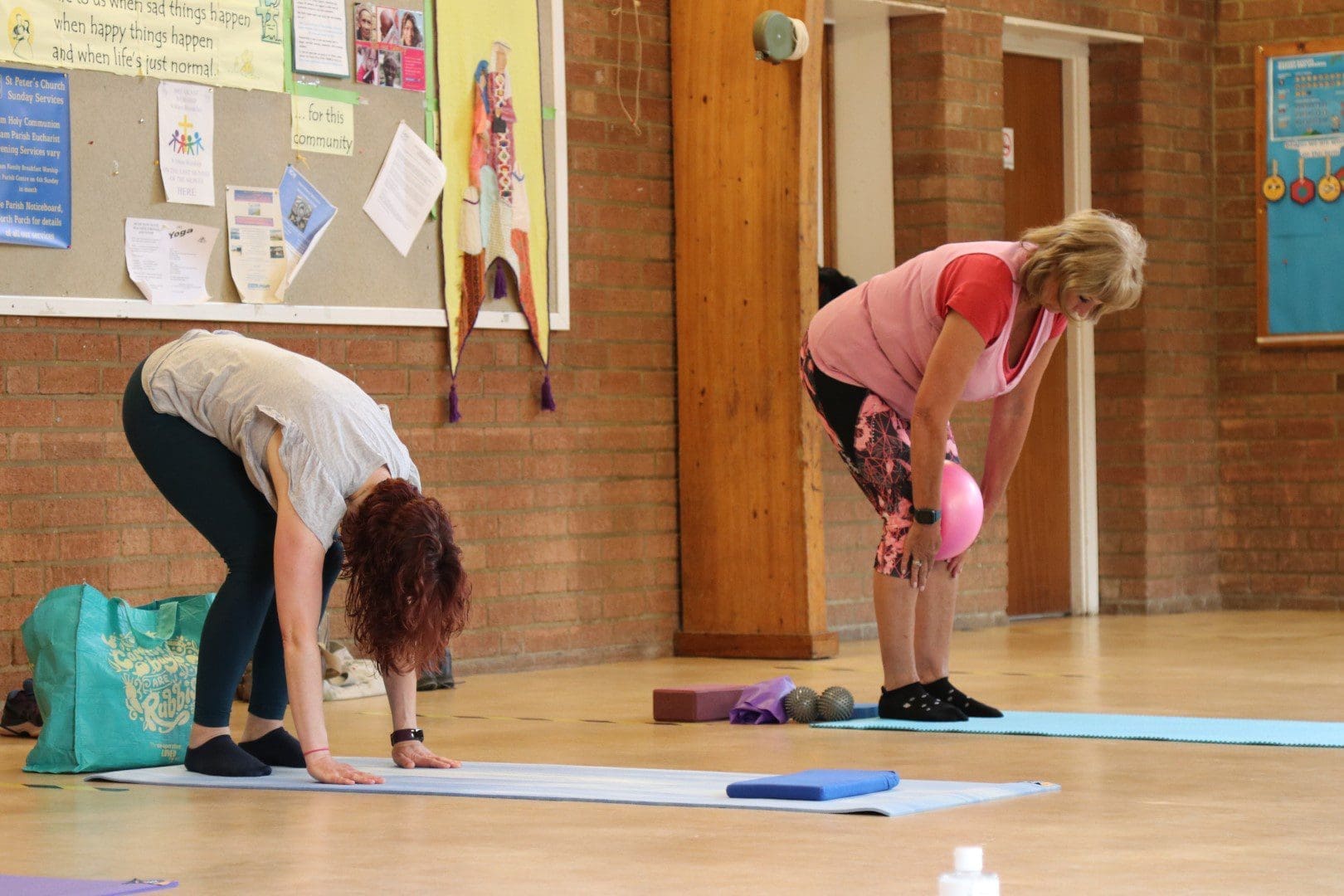
Mat classes focus on exercises performed on the floor using bodyweight and small props. Theyre accessible and build general fitness. Class sizes range from small to larger groups, so check whether youll receive individual attention.
Small group or studio classes
Smaller studio-based sessions tend to offer more hands-on guidance and tailored cues. If you prefer detailed corrections and a focus on technique, a studio setting can be a better fit than a large mat class.
How to choose the right Pilates class in Dorset
When comparing options, consider these practical points to ensure the class matches your needs:
- Instructor qualifications: Look for instructors with recognised Pilates training. If you have health concerns, choose a physiotherapist-led or medically informed instructor.
- Class size: Smaller groups allow more individual feedback. If youre recovering from injury, prioritise low numbers.
- Location and schedule: Pick a class time and place you can attend consistently. Many Dorset studios offer morning, daytime and evening options.
- Class focus: Some classes emphasise strength, others mobility or rehabilitation. Match the class description to your goals.
- Trial or assessment: A trial class or initial assessment helps the instructor adapt exercises for you and confirm the class is suitable.
For more detail on class timetables and booking, check the Class schedule and Book pages.
You may also find FAQs useful for related guidance.
Preparing for your first Pilates class
Simple preparation makes your first session more productive:
- Wear comfortable, close-fitting clothing so the instructor can see your alignment.
- Bring a water bottle and arrive a few minutes early to complete any forms.
- If you have existing injuries, mention these beforehand and bring notes from your GP or physiotherapist if relevant.
- Start with a trial or beginner-friendly class to learn foundational breathing and alignment cues.
Conclusion: Getting the most from Pilates classes Dorset offers
Pilates classes Dorset-wide offer an effective way to build strength, improve posture and support recovery. Prioritise qualified, physio-informed instructors if youre managing pain or returning from injury. Use trial classes and the schedule to find a convenient regular slot, and focus on consistency rather than intensity in the early weeks. For local resources and to explore class options, visit the Blog for articles on physio-led Pilates and check the About Lucy page to learn more about instructor qualifications.
You may also find Pilates Dorset useful for related guidance.
Frequently asked questions
What should I wear to a Pilates class?
Wear comfortable, close-fitting clothing that allows the instructor to observe your alignment. Layers work well so you can adjust temperature. Bare feet or grippy socks are usually recommended for mat work.
Are Pilates classes suitable after an injury?
Yes, many Pilates classes are suitable after injury when led by a qualified instructor or physiotherapist. Look for physio-led sessions or mention your injury before the class so exercises can be modified safely.
How often should I attend Pilates to see results?
For noticeable improvements in strength and posture, aim for two to three classes a week or one class plus short home sessions. Consistency over several weeks produces the best outcomes.
Can Pilates help with lower back pain?
Pilates can help reduce lower back pain by improving core stability and movement control. Classes that focus on rehabilitation and are led by physiotherapists or experienced instructors tend to be most beneficial.