Pilates Broadstone: an introduction
Whether you are recovering from an injury or simply looking to improve strength and posture, Pilates Broadstone offers a low-impact, effective approach to movement. In this article we explain the different class types available, the benefits of physiotherapist-led Pilates, what a typical session looks like and practical tips for choosing the right class for your needs.
You may also find Physiotherapist-Led Chairlates Class useful for related guidance.
Why choose Pilates in Broadstone?
Pilates focuses on core stability, controlled breathing and alignment. For many people in Broadstone the appeal is twofold: improved everyday movement and reduced pain. Pilates is adaptable, so it suits beginners and those with long-standing issues alike. If you want a class that prioritises safe progress and hands-on guidance, look for sessions described as physio- or therapist-led.
Key benefits
- Improved spinal alignment and posture.
- Better core strength and pelvic control.
- Increased mobility and joint stability.
- Reduced recurrence of back and shoulder pain when practiced regularly.
- Low-impact conditioning that supports daily activities and sports.
Types of Pilates classes you’ll find near Broadstone
Studios and clinics typically offer a range of formats. Understanding the difference helps you pick the right option.
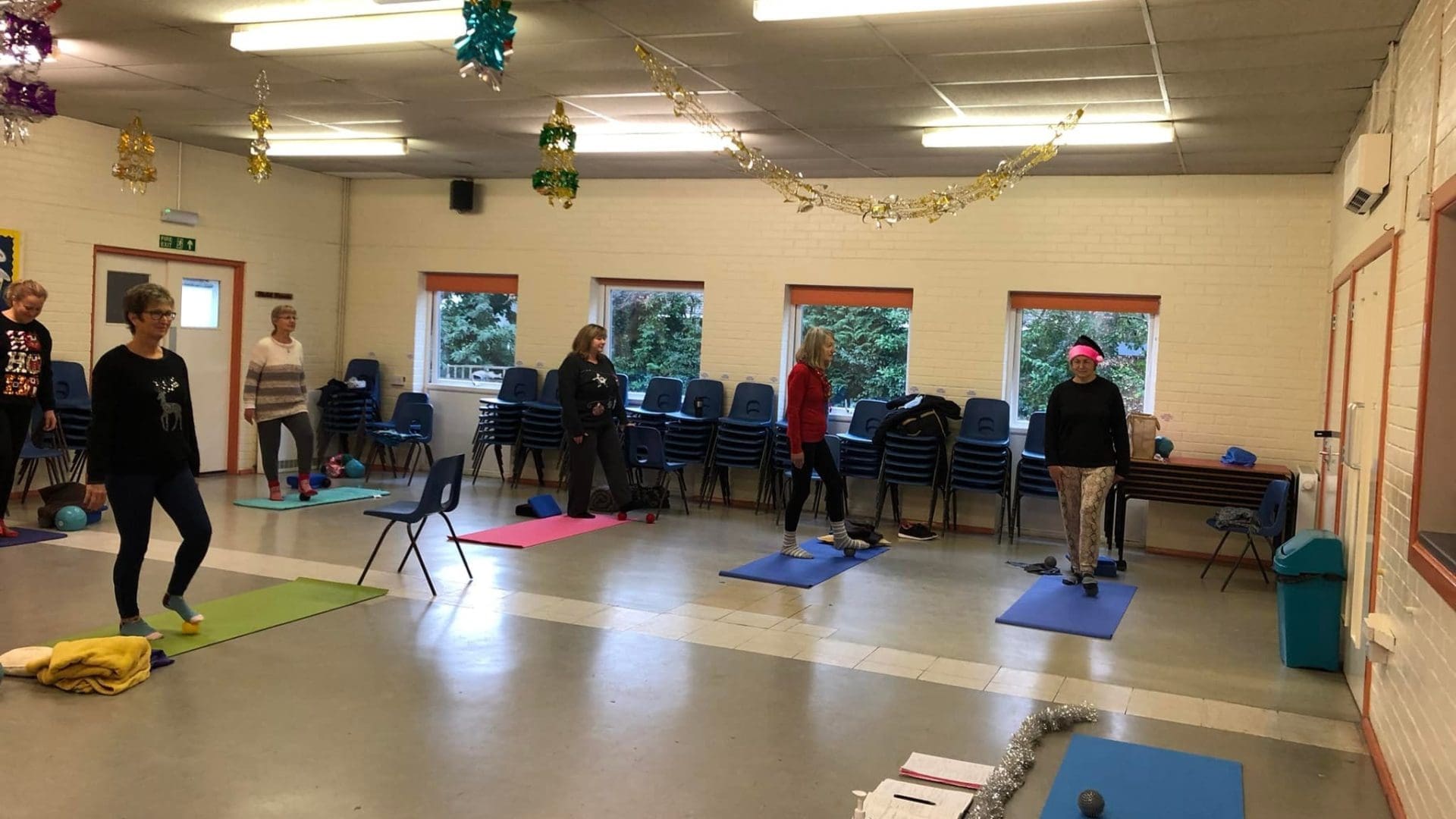
- Group mat classes – Great for general fitness and social motivation. They use bodyweight and small props.
- Small group reformer classes – Use equipment to add resistance and variety; often more tailored than large mat groups.
- One-to-one or private sessions – Ideal for rehabilitation, acute pain or highly individualised goals.
- Physiotherapist-led classes – Run by clinicians who blend Pilates principles with clinical reasoning to manage injuries and movement dysfunction.
What to expect at your first Pilates session
Your first class or assessment will usually include a short history and movement screen. This helps the instructor adapt exercises to your needs and sets realistic goals. Wear comfortable, close-fitting clothing so the instructor can check alignment. Bring a water bottle and arrive a few minutes early to complete any paperwork.
Assessment and progression
A good instructor will give you simple baseline exercises and progressions. You should expect regular reassessments so your programme evolves as you improve. If you have a specific clinical problem, physiotherapist-led sessions often include tailored strategies for pain management and functional recovery.
You may also find Physiotherapist-Led Pilates Matwork Class useful for related guidance.
How to choose the right Pilates class in Broadstone
Choosing the right class depends on your goals, current fitness and any injuries. Use these questions to guide your decision:
- Is the class led by a physiotherapist or Pilates instructor? For rehabilitation, physio-led is usually preferable.
- What is the instructor-to-participant ratio? Smaller classes mean more personalised attention.
- Does the studio offer a trial class or assessment? A trial lets you test the style and instructor before committing.
- Are equipment-based classes available if you need extra support or variety?
If you’d like to learn more about class options and scheduling, check the Class schedule or read our general guide to choosing classes in nearby areas like Poole and Dorset: Pilates Classes Poole: How to Choose the Right Class for Your Needs.
Making the most of your Pilates practice
Consistency and quality of movement matter more than intensity. Aim for regular sessions—two to three times a week if possible—and focus on precision rather than repetitions. Communicate with your instructor about discomfort or concerns so exercises can be modified.
Practical tips
- Keep a short list of goals (e.g. reduce back stiffness, improve balance) and review them every few weeks.
- Combine Pilates with walking or light cardio for overall fitness.
- Use any prescribed home exercises between classes to reinforce progress.
For those curious about physiotherapist-led options, our post on Physiotherapist-Led Pilates explains how clinical expertise is integrated into sessions.
Conclusion
Pilates Broadstone offers a flexible, evidence-informed approach to improving movement, managing pain and boosting everyday function. Whether you prefer group mat classes or need the personalised attention of physio-led sessions, there are options to suit different goals. Start with an assessment or a trial class to find the best fit, and use regular practice to build lasting benefits.
You may also find FAQs useful for related guidance.
Frequently asked questions
Is Pilates suitable for beginners in Broadstone?
Yes. Pilates is highly adaptable and suitable for beginners. Start with an introductory or beginner class, or book a private assessment so the instructor can personalise exercises and progressions.
What is the difference between mat and reformer Pilates?
Mat Pilates uses bodyweight and small props to develop strength and control. Reformer Pilates uses a specialised carriage and springs to provide resistance and support, allowing a wider range of progressions and adaptations.
Should I choose a physio-led Pilates class?
If you have an injury, chronic pain or complex movement issues, a physio-led class is often the best choice because a clinician can combine rehabilitation principles with Pilates exercises for safer, evidence-informed progress.
How often should I attend Pilates classes to see results?
Most people see noticeable improvements with two to three sessions per week over several months. Combining classes with home exercises and general activity helps consolidate gains in strength, mobility and posture.