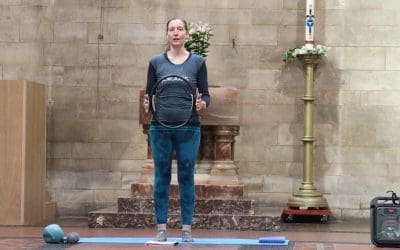
Are you asking, “Does Pilates help back pain?” You’re not alone. Back pain is one of the most common reasons people give up the activities they love. Pilates offers a controlled, low-impact way to build strength, improve posture and reduce pain flare-ups — but not all Pilates is the same. This article explains how Pilates helps back pain, who benefits most, how to avoid setbacks, and clear next steps so you can choose the right class or physiotherapy-led programme.
You may also find FAQs useful for related guidance.
How Pilates helps back pain
Pilates targets the core muscles that support the spine — including deep abdominal muscles, pelvic floor and back extensors. Strengthening these areas reduces strain on spinal structures and can improve movement patterns that perpetuate pain. A progressive Pilates approach focuses on:
- Stability: improving control around the spine so everyday movements load evenly.
- Mobility: releasing stiffness in hips, thoracic spine and hamstrings that often cause compensatory lower‑back strain.
- Posture: retraining postural habits that increase compression and tension in the lower back.
- Breath and coordination: teaching breathing patterns that reduce muscular guarding and improve function.
What the research and clinicians say
Clinical guidance commonly recommends exercise-based approaches for non-specific low back pain. Pilates is one such approach with growing evidence showing modest to meaningful improvements in pain and function when taught progressively and tailored to the person. Importantly, results are best when Pilates is delivered or supervised by an experienced physiotherapist or instructor who understands the mechanics of back pain.
Who benefits most from Pilates for back pain?
Pilates can help a wide range of people, but it’s particularly useful for those who:
- Have recurring or mild-to-moderate non-specific low back pain.
- Need to improve core strength and movement control.
- Prefer a low-impact, functional approach over heavy gym lifting.
- Want a long-term strategy to prevent flare-ups and get back to daily activities.
If you have acute severe pain, recent spinal surgery, progressive neurological signs, or certain medical conditions, you should consult a clinician before starting Pilates. A physiotherapy-led class or a private assessment can adapt the programme safely.
What a good Pilates programme for back pain looks like
Not all Pilates classes are equally helpful. For back pain, look for a programme that includes:
- Individual assessment: an initial check to identify movement drivers and any red flags.
- Progressive loading: starting with gentle stability and building to functional strength.
- Movement retraining: exercises that mirror daily tasks and work activities.
- Small classes or one-to-one options: to ensure correct technique and personalised regressions.
- Integration with rehab: when delivered by a physiotherapist, Pilates can be part of a broader rehab plan.
If you’d like a tailored option, consider booking a physiotherapy-led session or a small group class where the instructor can modify exercises for your needs. For local options and to check availability, see the class schedule or book a session.
You may also find Pilates for Beginners: A Clear, Practical Guide to Getting Started useful for related guidance.
Common objections — answered honestly
People often hesitate to try Pilates for back pain for several reasons. Here are straightforward responses that will help you decide:
- “I’m not fit enough for Pilates.” Pilates is adaptable. Instructors can regress movements so beginners or those in pain start safely.
- “My back is fragile — I don’t want to make it worse.” A physiotherapist-led assessment can rule out serious conditions and tailor a cautious approach that protects healing tissues.
- “I tried Pilates before and it didn’t help.” Results depend on the specificity and progression of the programme. A class focused on general fitness may not address the movement patterns causing your pain. Try a targeted programme or private session first.
- “It’s expensive.” Think of this as an investment. Reducing recurring back pain lowers medical costs, lost workdays and the need for passive treatments. Many providers offer package options that reduce per-session cost — see the book package page for examples.
How to get started: practical steps
Ready to try Pilates for your back pain? Follow these steps to get results safely and quickly:
- Book an initial assessment with a physiotherapist or an experienced Pilates instructor who understands back pain.
- Choose a small group or one-to-one programme that offers progression and regular reassessment.
- Commit to consistent practice — 2–3 short sessions per week typically produces change.
- Combine Pilates with daily movement, sensible load management and any clinician advice on sleep, weight or ergonomics.
- Track progress: reduced pain intensity, improved function and fewer flare-ups are the main markers of success.
If you’re unsure where to start, our physiotherapy-led classes and private sessions are designed specifically for people with back pain. Check the beginners’ guide or Pilates for Beginners to learn what to expect, then view the class schedule and book a trial class to try it risk-free.
Conclusion
So, does Pilates help back pain? Yes — when the programme is tailored, progressive and delivered by an instructor or physiotherapist who understands spinal mechanics. Pilates won’t be a quick fix for everyone, but it offers durable improvements in strength, posture and movement control that reduce pain and prevent recurrence. If you want to explore a structured, clinically informed approach, consider starting with a physiotherapy assessment or a trial class listed on our class schedule. Taking that first step can be the difference between managing pain and getting back to life.
You may also find Pilates Poole: A Practical Guide to Classes, Benefits and Getting Started useful for related guidance.
Frequently asked questions
Can Pilates cure a slipped disc or sciatica?
Pilates cannot guarantee a cure for a slipped disc or sciatica, but it can reduce symptoms by improving spinal stability, mobility and movement patterns. It’s essential to get a clinical assessment first; a physiotherapist can advise whether Pilates is appropriate, which modifications to use, and whether additional treatments are needed.
How soon will I feel less back pain after starting Pilates?
Some people notice reduced pain and better movement within a few weeks, while for others it may take two to three months of consistent practice. Benefits depend on baseline fitness, the cause of pain, and how closely you follow the programme and activity advice.
Is one-to-one better than group Pilates for back pain?
One-to-one sessions allow individual assessment and tailored progression, which can speed recovery. Small, physiotherapy-led group classes can also be effective if the instructor provides close supervision and regressions. Choose based on your budget, severity of symptoms, and need for personalised attention.
Can I do Pilates at home for my back pain?
Yes — home practice of prescribed Pilates exercises can maintain progress, but it should start after professional guidance to ensure technique and safety. Initial sessions with an instructor or physiotherapist will teach the correct form and a tailored home routine.